
Arranging Safe Supervised Child Visits in Brisbane
When families separate, maintaining a child’s relationship with both parents is often a priority. However, in some cases, direct contact between a child and a parent requires supervision to ensure the child’s safety and emotional wellbeing. Arranging safe supervised child visits in Brisbane involves careful planning, clear communication, and adherence to legal and emotional considerations. This post explores practical steps and important factors to consider when organising supervised contact, aiming to support families and professionals in creating a secure environment for children.
Understanding the Importance of Arranging Supervised Child Visits
Supervised child visits are designed to protect children while allowing them to maintain meaningful relationships with both parents. These visits are often ordered by courts or agreed upon by parents when there are concerns about safety, wellbeing, or past incidents. The supervision ensures that the child is in a safe environment, free from harm or distress.
In Brisbane, supervised contact can take place in various settings, including family contact centres, community facilities, or other neutral locations. The choice of venue depends on the specific needs of the child and family, as well as the availability of qualified supervisors.
Key reasons for supervised visits include:
Concerns about family violence or abuse
Parental substance misuse
Mental health issues affecting parenting capacity
Previous breaches of court orders
Ensuring the child’s emotional security during contact
By arranging supervised visits, families can work towards rebuilding trust and gradually moving towards unsupervised contact when appropriate.

Practical Steps for Arranging Supervised Child Visits in Brisbane
Arranging supervised child visits requires a structured approach to ensure the child’s safety and comfort. Here are practical steps to consider:
Seek Legal Advice and Understand Court Orders
Before arranging supervised contact, it is essential to understand any existing court orders or legal requirements. Family lawyers or legal professionals can provide guidance on the conditions and limitations of supervised visits.
Choose a Suitable Supervision Provider
Brisbane offers several family contact centres and professional supervisors who specialise in child-focused supervised contact. Selecting a provider with experience and a child-centred approach is crucial.
Agree on the Location and Schedule
The location should be neutral, safe, and comfortable for the child. Scheduling visits at regular intervals helps maintain consistency and predictability, which benefits the child’s emotional wellbeing.
Prepare the Child and Parents
Clear communication with both the child and parents about what to expect during supervised visits helps reduce anxiety. Supervisors often explain the rules and boundaries to all parties involved.
Document and Report
Supervisors typically keep records of each visit, noting the child’s behaviour, interactions, and any concerns. This documentation can be important for future legal proceedings or adjustments to the contact arrangements.
For those seeking detailed guidance on how to arrange supervised contact, professional resources and contact centres in Brisbane provide comprehensive support.
What is the 7 7 7 Rule for Parenting?
The 7 7 7 rule is a practical guideline used by some separated parents to structure their time with children. It suggests that children spend:
7 days with one parent
7 days with the other parent
7 days with a neutral or supervised setting if necessary
This rule aims to provide balance and predictability, helping children adjust to shared parenting arrangements. While not a legal requirement, it can be a useful framework for families navigating complex contact situations, especially when supervised visits are involved.
The 7 7 7 rule encourages cooperation and flexibility, allowing parents to focus on the child’s needs rather than conflict. It also supports gradual transitions from supervised to unsupervised contact when safety and trust improve.
Ensuring Safety and Emotional Wellbeing During Supervised Visits
The primary goal of supervised contact is to protect the child while fostering positive relationships. To achieve this, several factors must be considered:
Qualified Supervisors: Supervisors should have training in child development, family dynamics, and conflict resolution. Their role is to observe, support, and intervene if necessary.
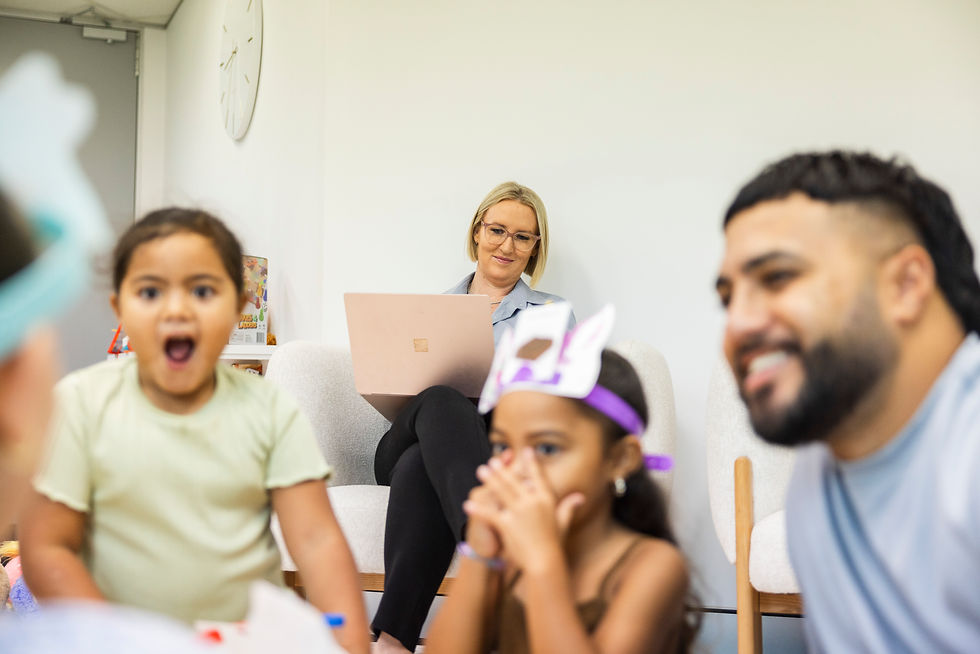
Child-Centred Environment: The setting should be welcoming and equipped with age-appropriate toys and activities. This helps the child feel comfortable and engaged.
Clear Rules and Boundaries: All parties should understand the expectations during visits, including behaviour guidelines and communication protocols.
Emotional Support: Children may experience mixed feelings about supervised contact. Access to counselling or support services can help them process their emotions.
Regular Review: Contact arrangements should be reviewed periodically to assess their effectiveness and make adjustments as needed.
By prioritising these elements, supervised visits can become a positive experience that supports the child’s development and family relationships.
Moving Forward with Supervised Contact in Brisbane
Arranging safe supervised child visits is a sensitive and important process. It requires collaboration between parents, legal professionals, and contact centres to ensure the child’s best interests are upheld. By following clear steps, choosing appropriate supervision, and maintaining open communication, families can create a secure environment that supports ongoing relationships.
Foley Family Contact Centre is committed to providing safe, child-focused supervised contact services in Brisbane. Our approach respects the rights and emotional wellbeing of children, helping families navigate this challenging time with care and professionalism.
If you are involved in arranging supervised contact, consider the practical advice shared here and seek support from experienced providers. Together, we can ensure that children continue to have meaningful connections with both parents in a safe and supportive setting.


Comments