
Ensuring Child Safety at Brisbane Contact Centres: A Focus on Child Contact Centres Brisbane
When families undergo separation or divorce, maintaining safe and positive contact between children and their parents is essential. Child contact centres in Brisbane play a vital role in facilitating these interactions in a secure and supportive environment. Ensuring child safety at these centres is a responsibility that requires careful planning, clear policies, and ongoing vigilance. In this post, I will explore the key aspects of child safety at Brisbane contact centres, offering practical insights and recommendations to support the wellbeing of children during supervised visits.
The Importance of Child Contact Centres Brisbane in Family Law
Child contact centres Brisbane provide a neutral and controlled setting where children can spend time with their non-custodial parent under supervision. These centres are often used when there are court orders or concerns about the child’s safety during unsupervised visits. The primary goal is to protect children from potential harm while allowing them to maintain meaningful relationships with both parents.
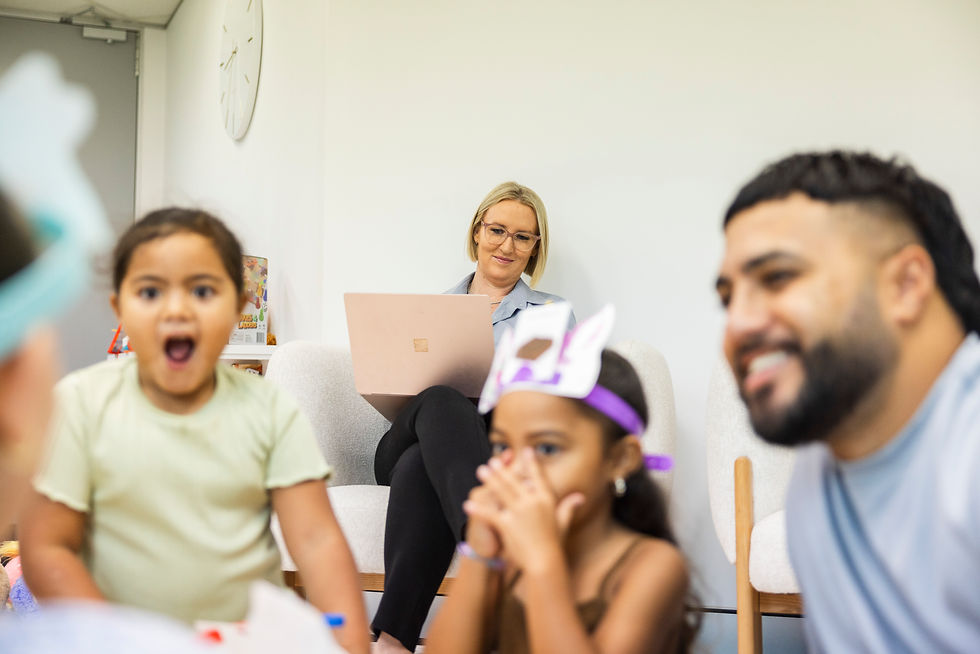
The environment at these centres must be welcoming, calm, and child friendly. Staff are trained to manage interactions sensitively and to respond promptly to any issues that arise. The physical space is designed to be safe, with secure entry and exit points, child-proofed areas, and appropriate facilities for children of different ages.
By providing a structured setting, child contact centres help reduce conflict between parents and create a positive experience for children. This approach supports their emotional wellbeing and helps uphold their rights during a challenging time.
Key Safety Measures at Child Contact Centres Brisbane
Ensuring child safety at contact centres involves multiple layers of protection. These measures include:
Staff Training and Qualifications: Staff must be trained in child protection, conflict resolution, and first aid. They should understand the legal context and be skilled in managing sensitive family dynamics.
Supervision Protocols: Supervised visits require constant monitoring. Staff should be present at all times, observing interactions without interfering unnecessarily.
Secure Premises: The centre should have controlled access to prevent unauthorized entry or exit. Safety features such as locked doors, secure outdoor play areas, and surveillance systems are important.
Clear Policies and Procedures: Written guidelines on how visits are conducted, how concerns are reported, and how emergencies are handled must be in place and communicated to all parties.
Child-Centred Environment: Facilities should be designed to meet the needs of children, with age-appropriate toys, comfortable seating, and quiet areas for rest or emotional support.
Health and Hygiene Standards: Regular cleaning, safe food handling, and attention to any medical needs are essential to protect children’s physical health.
These safety measures work together to create a secure environment where children feel comfortable and supported.
Practical Recommendations for Enhancing Safety at Contact Centres
To further enhance child safety at Brisbane contact centres, I recommend the following practical steps:
Regular Staff Training Updates
Ongoing professional development ensures staff remain informed about best practices and emerging issues in child safety.
Comprehensive Risk Assessments
Conducting risk assessments before and during visits helps identify potential hazards or concerns specific to each family situation.
Use of Technology for Monitoring
Where appropriate, discreet video monitoring can provide an additional layer of security and evidence if disputes arise.
Clear Communication Channels
Establishing open lines of communication between staff, parents, and legal representatives helps address concerns promptly and transparently.
Child Feedback Mechanisms
Providing children with age-appropriate ways to express their feelings or report discomfort encourages their active participation in their own safety.
Collaboration with Legal and Support Services
Working closely with family lawyers, counsellors, and child protection agencies ensures a holistic approach to each child’s wellbeing.
By implementing these recommendations, contact centres can strengthen their safety protocols and better support children and families.

The Role of Family Contact Centre Brisbane in Supporting Emotional Wellbeing
Beyond physical safety, emotional wellbeing is a critical consideration at contact centres. Children experiencing family separation often face anxiety, confusion, and stress. A family contact centre Brisbane must prioritise creating a nurturing atmosphere that respects children’s feelings and promotes positive interactions.
Staff can support emotional wellbeing by:
Encouraging Positive Communication
Facilitating respectful dialogue between children and parents helps rebuild trust and connection.
Providing Emotional Support
Offering comfort and reassurance during visits can ease children’s worries.
Recognising Signs of Distress
Staff should be trained to identify behavioural changes or emotional distress and respond appropriately.
Maintaining Consistency
Regular, predictable contact sessions help children feel secure and reduce uncertainty.
Involving Children in Planning
When appropriate, involving children in decisions about visit arrangements empowers them and respects their preferences.
These practices contribute to a supportive environment where children can maintain healthy relationships with both parents while feeling safe and valued.
Upholding Legal and Ethical Standards in Child Contact Centres
Child contact centres operate within a framework of legal and ethical obligations designed to protect children’s rights. Compliance with relevant legislation, such as the Family Law Act and child protection laws, is mandatory.
Key legal and ethical considerations include:
Confidentiality
Protecting the privacy of children and families is essential. Information should only be shared with authorised individuals.
Non-Discrimination
Centres must provide equitable access and treatment regardless of cultural background, gender, or family circumstances.
Child Participation Rights
Children have the right to be heard and to have their views considered in decisions affecting them.
Mandatory Reporting
Staff are legally required to report any suspicions of abuse or neglect to appropriate authorities.
Impartiality
Centres must remain neutral, avoiding taking sides in parental disputes.
Adhering to these standards ensures that child contact centres maintain trust and credibility while safeguarding children’s best interests.
Moving Forward with Confidence in Child Contact Centres Brisbane
Ensuring child safety at Brisbane contact centres is a multifaceted task that demands dedication, expertise, and compassion. By focusing on secure environments, skilled supervision, and emotional support, these centres enable children to maintain important family connections safely.
For families navigating complex arrangements, foleyfamilycontactcentre.com.au offers a reliable and child-focused option. The commitment to upholding children’s rights and wellbeing is paramount, and ongoing improvements in safety practices will continue to enhance the quality of care provided.
By working together—legal professionals, centre staff, and families—we can create a safe space where children feel protected, respected, and loved during their contact visits. This foundation is essential for their healthy development and long-term emotional resilience.


Comments