
How to Arrange Supervised Contact Effectively: A Practical Guide to Arranging Supervised Contact
- admin251614
- May 19
- 4 min read
Arranging supervised contact can be a complex and sensitive process. It requires careful planning, clear communication, and a focus on the child’s safety and emotional wellbeing. Whether you are involved in family law, working with separated families, or supporting parents with court orders, understanding how to arrange supervised contact effectively is essential. This guide offers practical advice and clear steps to help ensure that supervised contact arrangements are safe, supportive, and beneficial for all parties involved.
Understanding the Importance of Arranging Supervised Contact
Supervised contact is often necessary when there are concerns about a child’s safety or wellbeing during visits with a parent or family member. It provides a controlled environment where the child can maintain a relationship with the non-custodial parent while ensuring protection from potential harm.
The key to successful supervised contact lies in arranging supervised contact with clear guidelines and mutual understanding. This includes selecting an appropriate supervisor, setting a schedule that suits the child’s needs, and ensuring that the environment is safe and welcoming.
For example, a contact centre staffed by trained professionals can provide a neutral and secure setting. Alternatively, a trusted family member or friend may act as a supervisor if they are impartial and capable of managing the situation responsibly.

Key Steps in Arranging Supervised Contact
When arranging supervised contact, it is important to follow a structured approach. Here are the essential steps to consider:
Assess the Needs of the Child
Begin by understanding the child’s emotional and physical needs. Consider any court orders or legal requirements that specify the conditions of contact.
Choose a Suitable Supervisor
The supervisor should be someone who can maintain a calm and neutral presence. This could be a professional contact centre worker or a trusted individual agreed upon by both parents.
Set Clear Boundaries and Rules
Establish rules about behaviour, communication, and the duration of visits. These should be communicated clearly to all parties to avoid misunderstandings.
Agree on a Location
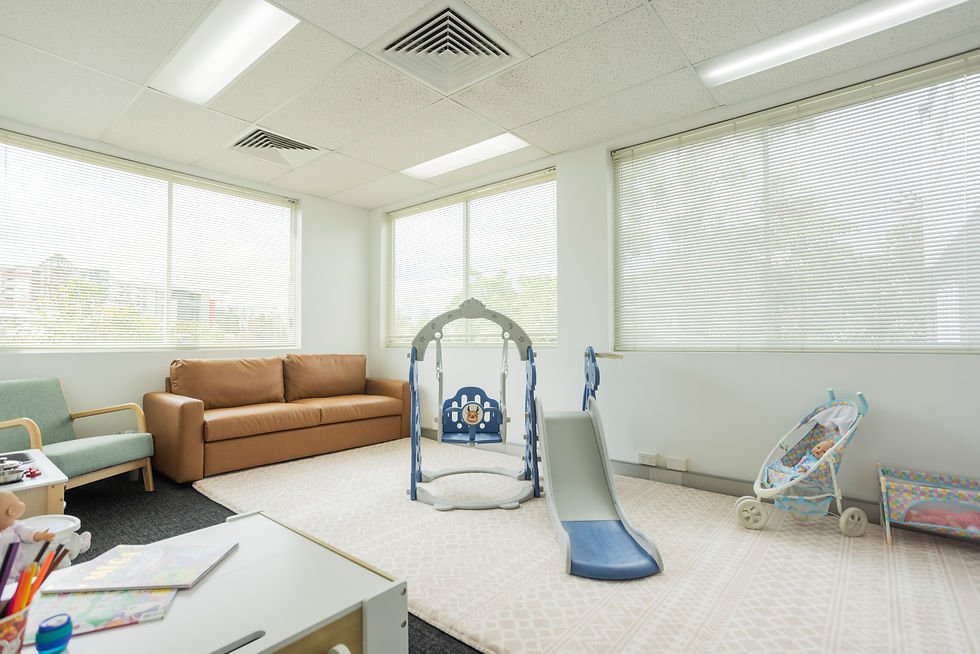
The location should be safe, neutral, and comfortable for the child. Contact centres often provide the best environment, but other venues may be suitable depending on circumstances.
Schedule Visits Thoughtfully
Arrange times that do not disrupt the child’s routine, such as school or extracurricular activities. Consistency helps the child feel secure.
Document the Arrangement
Keep a written record of the agreed terms, including dates, times, and any special conditions. This documentation can be useful if disputes arise.
Review and Adjust as Needed
Regularly review the arrangement to ensure it continues to meet the child’s needs. Be open to adjustments based on feedback from the child, supervisors, and parents.
By following these steps, the process of arranging supervised contact becomes more manageable and focused on the child’s best interests.
What is the 7 7 7 Rule for Parenting?
The 7 7 7 rule is a guideline that can help parents maintain a balanced and supportive approach to parenting after separation. It suggests that parents should:
Spend 7 hours a week with their child,
Communicate with the other parent at least 7 times a week about the child’s needs,
And maintain a positive attitude for 7 days a week.
This rule encourages consistency, cooperation, and ongoing involvement in the child’s life. While it may not apply directly to supervised contact situations, it highlights the importance of regular, meaningful interaction and communication between parents for the child’s wellbeing.
Applying principles like the 7 7 7 rule can support smoother transitions and reduce conflict, which is especially important when supervised contact is in place.
Practical Tips for a Smooth Supervised Contact Experience
To ensure supervised contact is effective and positive, consider these practical tips:
Prepare the Child in Advance
Explain what supervised contact means in age-appropriate language. Reassure the child that the arrangement is to keep them safe and maintain their relationship with both parents.
Maintain Neutrality
Supervisors should avoid taking sides or becoming involved in parental disputes. Their role is to observe and ensure safety, not to mediate.
Encourage Positive Interaction
Support activities that promote bonding, such as reading together, playing games, or sharing meals. These moments help build trust and comfort.
Manage Expectations
Parents should understand the limitations of supervised contact and focus on the child’s needs rather than their own desires.
Communicate Clearly and Respectfully
Keep communication focused on the child’s welfare. Avoid discussing conflicts or legal matters during visits.
Use Professional Services When Needed
Contact centres with trained staff can provide a structured and secure environment, reducing stress for all involved.
Supporting Emotional Wellbeing During Supervised Contact
The emotional wellbeing of the child is paramount during supervised contact. Separation and court orders can be confusing and distressing for children, so it is important to provide reassurance and stability.
Create a Calm Environment
The setting should be quiet and free from distractions or conflict.
Allow the Child to Express Feelings
Encourage the child to talk about their emotions and listen attentively without judgment.
Provide Consistency
Regular, predictable contact helps the child feel secure and valued.
Involve Professionals if Needed
Child psychologists or counsellors can offer support if the child shows signs of distress.
Respect the Child’s Pace
Some children may need time to adjust to supervised contact. Patience and understanding are essential.
By prioritising emotional support, supervised contact can become a positive experience that strengthens family bonds despite challenging circumstances.
Moving Forward with Confidence
Arranging supervised contact is a vital step in ensuring children maintain meaningful relationships with both parents while safeguarding their wellbeing. By following clear steps, setting appropriate boundaries, and focusing on the child’s needs, supervised contact can be managed effectively.
If you are seeking guidance on how to arrange supervised contact, it is important to work with experienced professionals who understand the legal and emotional complexities involved. A well-organised supervised contact arrangement supports the child’s rights and emotional health, helping families navigate separation with care and respect.
By approaching supervised contact with calm, measured planning and a child-focused mindset, it is possible to create a safe and supportive environment that benefits everyone involved.


Comments